
High tide
Checking tide times…
More of the beach is covered.
Your surf forecast, in plain English
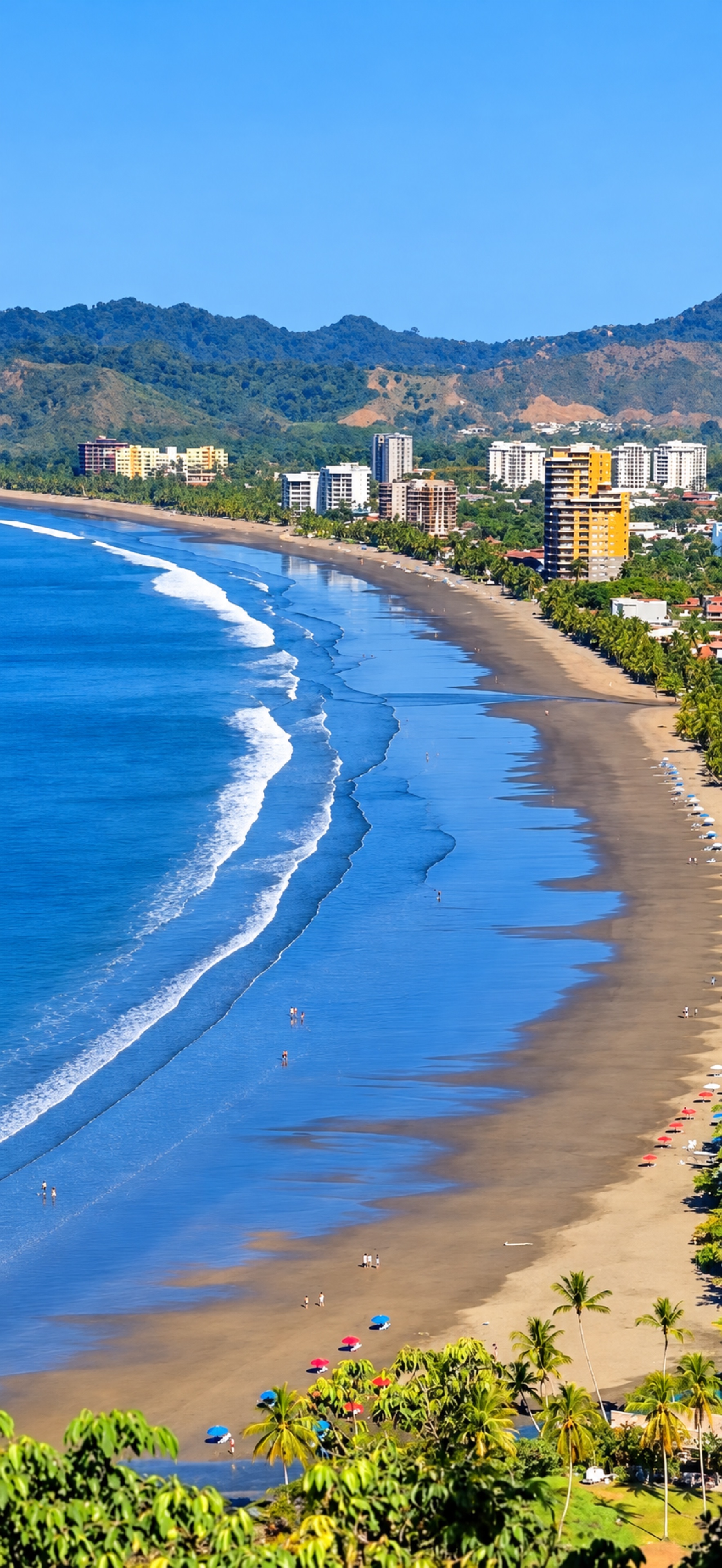
JACÓ, COSTA RICA9.615°, -84.635° · Selected location
Search any coastal place, or enter coordinates like 9.615, -84.635. Forecast and tide times follow that location.
On Purpose Surf makes swell, wind and tides easier to understand when you’re learning to surf. Choose a beach, compare the hours, and check local conditions with an instructor before heading out.
Fetching the latest ocean forecast…
We’re checking wave size and wind for your selected spot. A forecast is a starting point; a local instructor can help you choose the right spot.
Local time
More of the beach is covered.
More of the beach is exposed.
Loading high and low tide times…
Ask BioSurf about lessons, availability, and booking.
Jacó partner · BioSurfRun a surf school? Contact me about being featured.
Explore nearby shops for boards, surf gear, and local advice.
Near Jacó, Costa RicaRun a surf shop? Contact me about being featured.
Tap an hour to see what it means.
All times are local to the selected spot. Faded cards marked PAST are hours that have already finished.
Your daylight forecast will appear here.
Hourly cards show total offshore wave height (swell + wind waves). The charts below show swell separately. Later days are less certain.
Selected hourNo forecast hour available
Direction is unavailable for this hour.
Selected hourNo forecast hour available
Just a few things to help you feel more at home in the water.
First time? Start with an instructor in the whitewater—the foamy water after a wave breaks.
Smaller waves, shorter wave periods and light wind are generally a gentler combination. Our labels compare forecast conditions; they cannot tell whether a beach is safe. Sandbanks, currents, tide and your experience matter too. Ask an instructor before entering.
A height of 0.5 metres is about 1.6 feet. The swell chart describes incoming waves generated farther away, using significant height—the average of the highest third. Total wave height also includes local wind waves. Some waves will be larger. It is not the height of the wave you will ride, so we avoid calling it “knee-high” or “waist-high.”
Swell period is the typical time between swell waves passing one spot. We show the model’s mean swell period; peak period is a different measurement. At a similar height, waves with longer periods can carry more energy and break more strongly. A 14-second wave can be much more powerful than an 8-second wave. A longer gap does not automatically make it easier.
Onshore wind blows from the sea toward land and can make waves messy. Offshore wind blows toward the sea and can help waves hold their shape, but strong offshore wind can push you away from shore. The wind panel estimates direction against the nearby shoreline; the beginner rating still uses wind speed.
Tide is the rise and fall of sea level. It changes where waves break and how shallow the water is. The high and low times above are estimates from an ocean model, rounded to the nearest half hour. They are not an official tide timetable. We do not detect rip currents—fast flows of water moving away from shore. Confirm the tide and local beach flags with an instructor or lifeguard.
These are simple, conservative rules—not a validated safety score. “Gentler outlook” needs offshore waves below 0.8 m, a period below 11 seconds and wind below 12 km/h. “Some wave power” covers conditions below 1.3 m, below 14 seconds and below 20 km/h. Larger waves, longer periods or stronger wind get “Challenging.” Forecast thunderstorms get “Stay out.” Missing key data gets no rating. Hourly cards describe the main condition: thunderstorms, strong wind, bigger waves or longer-period waves take priority. Otherwise they show “Very light wind” at 5 km/h or less, “Light breeze” below 12 km/h, or “Breezy” below 20 km/h. Similar hours can correctly share a label; compare the numbers and the daily range above them.
The chart sweet spots (0.3–0.8 m swell height and 7–10 seconds swell period) are rough visual learning guides chosen for this app, not validated safe limits or a prediction of breaking waves at your beach. A value inside a band does not override wind, thunderstorm or beach conditions. See how wave shape affects beginners.
The easier-looking hour is the remaining daylight hour with the lowest combination of wave height, period and wind, excluding challenging conditions and forecast thunderstorms, and only when a full hour fits before sunset. It may still be unsuitable. We never recommend going in after sunset.
The example range is 0.7–1.2 m of swell with 9–13 seconds between waves. A daylight hour can be highlighted when both readings are in range, wind is light and the overall forecast is below the caution thresholds. These ranges are provisional. Tide, currents and the shape of the beach affect how the waves break.
Whitewater is the foamy water left after a wave breaks. It’s where many first lessons begin, before progressing to unbroken waves. Ask your instructor to choose a suitable spot for the day.
Waves often arrive in groups, with quieter gaps between them. A calm-looking moment does not mean the next group will be small. Watch several sets from shore before discussing conditions with your instructor.
Yes. The slope of the beach and the shape of the seabed affect how waves break. A forecast for the general area cannot capture every sandbank or sheltered corner. Local knowledge helps turn the numbers into a beach choice.
No. Significant wave height is an average of the highest third of waves. Individual waves can be higher or lower, and breaking waves at the beach can differ from the offshore forecast. Treat it as context, not a maximum.
LOCAL KNOWLEDGE GOES A LONG WAY
I’d love to connect with local surf schools wherever people are learning to surf, so checking the forecast can also lead to finding a local instructor.
Own or work with a surf school? Let’s connect.
A first look at gear for surf days, training days, and the moments in between.
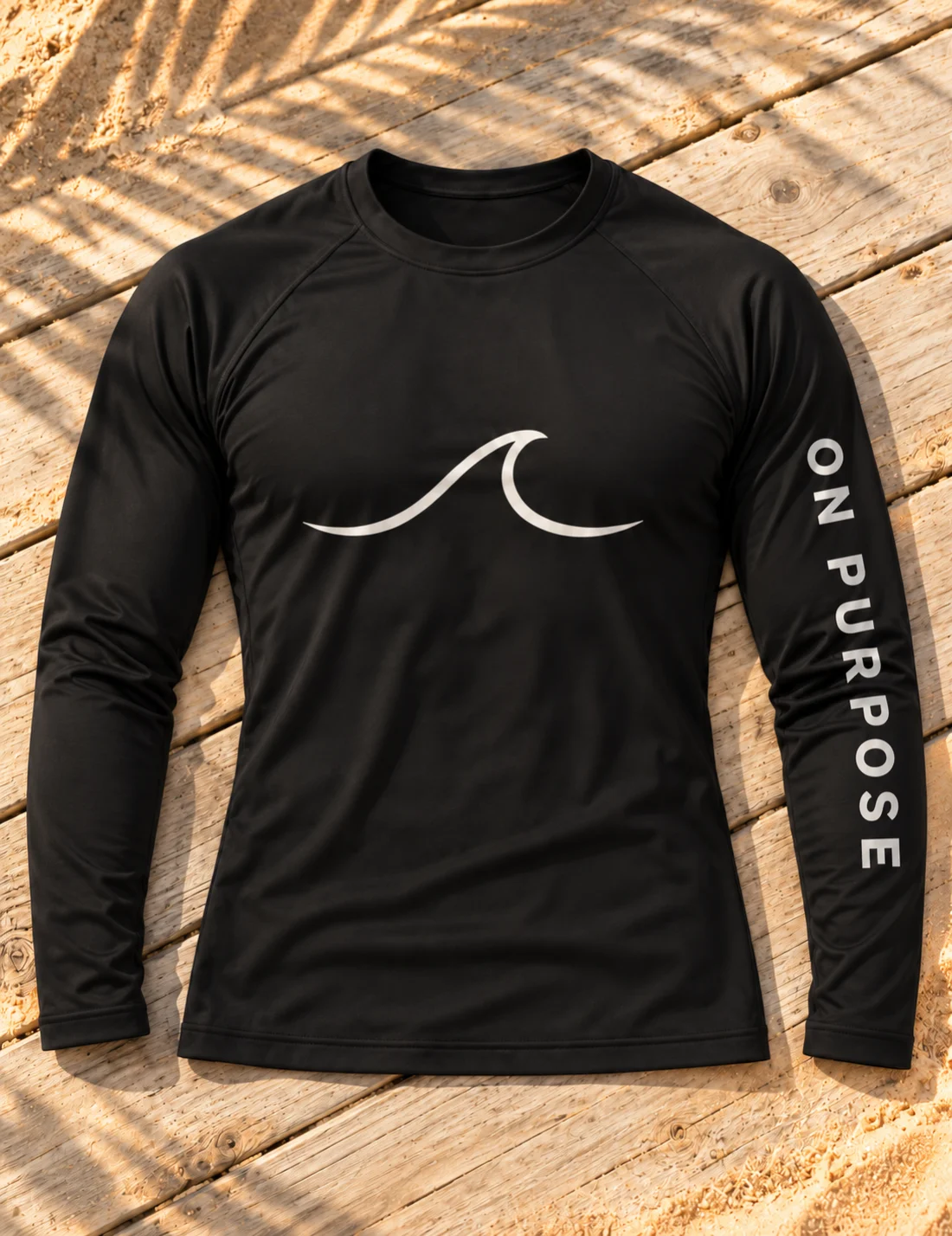
Our surf-day centerpiece.
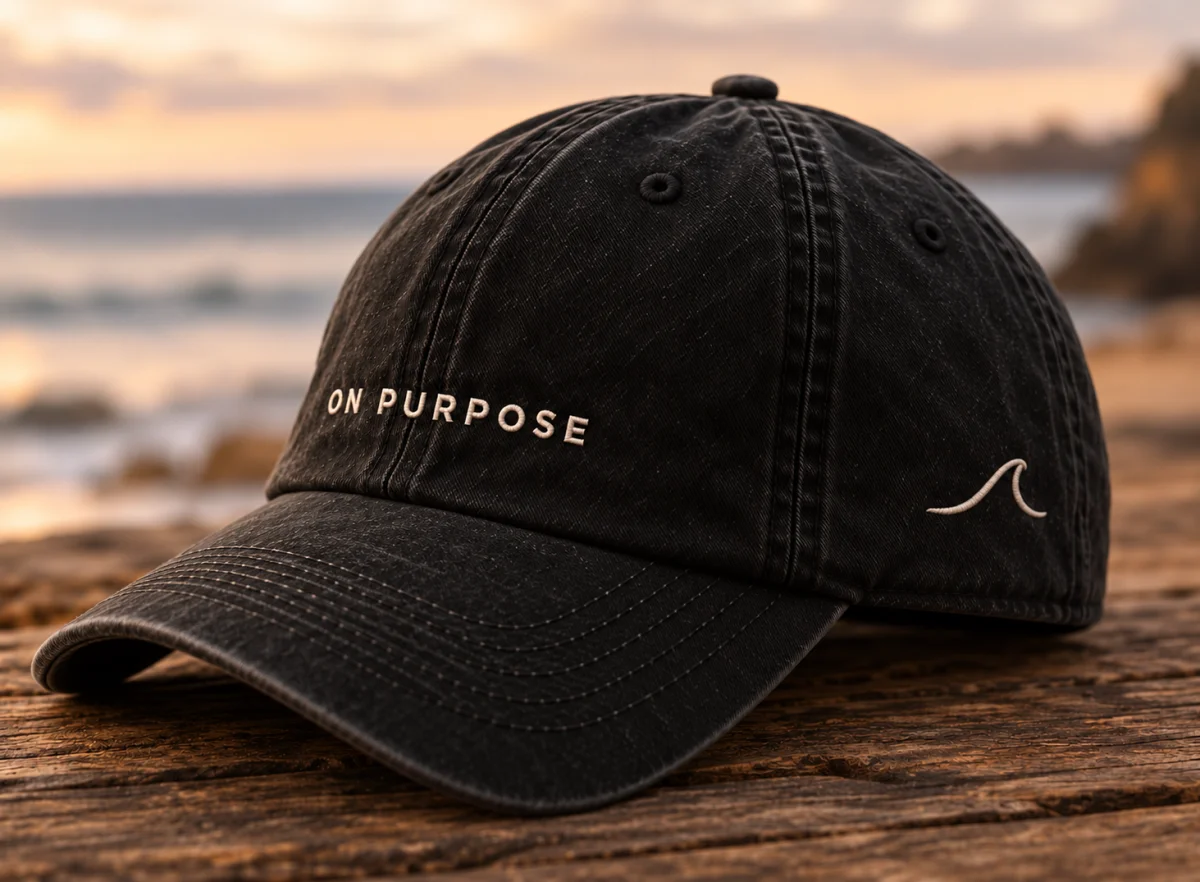
A little shade. A little purpose.
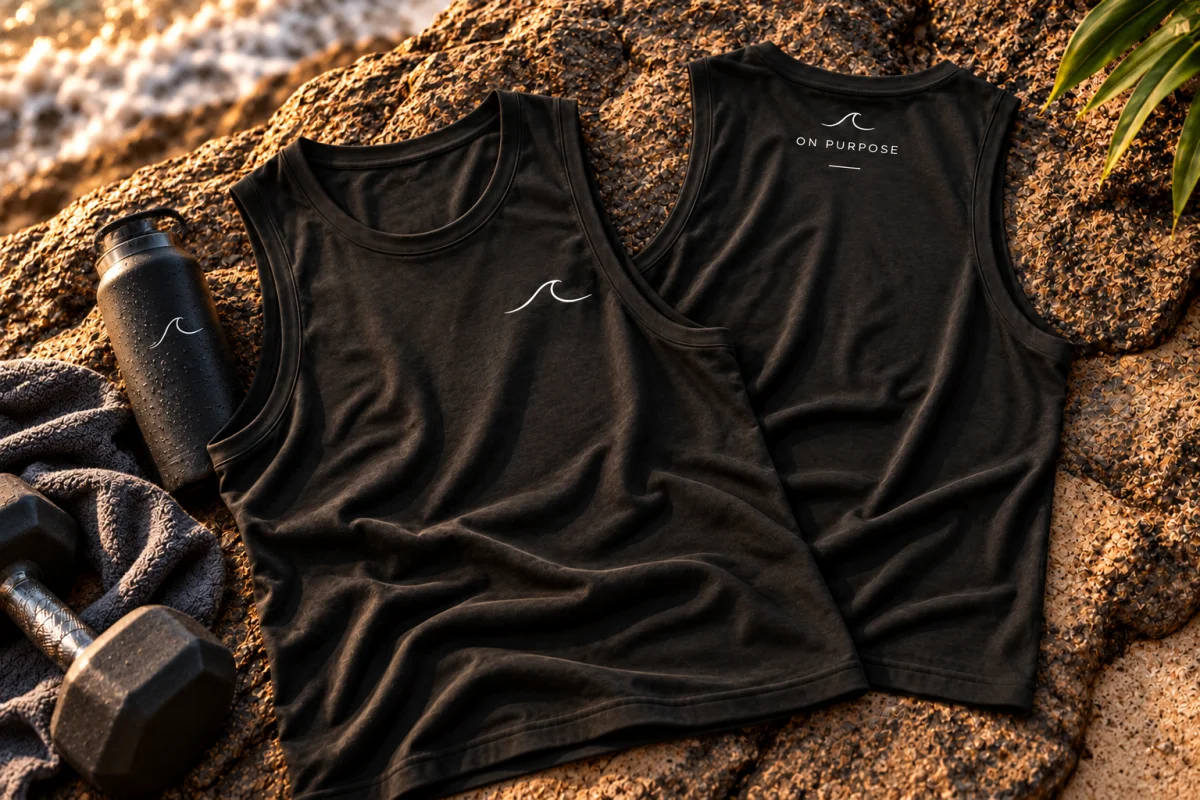
Keep the moments that matter.
Before the first wave.
Design concepts shown. The collection isn’t available to order yet; final products and prices will follow.